Vintage Flower Pattern: A Strategic Design Element for Timeless Creativity
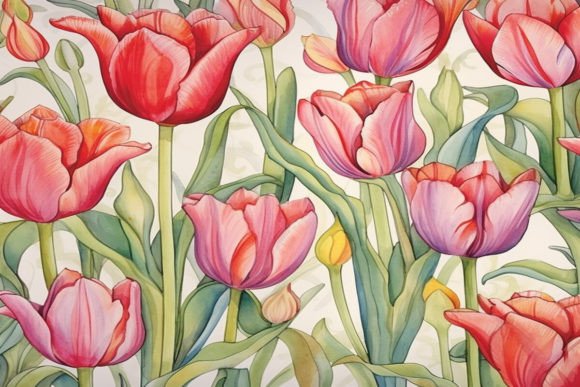
The Vintage Flower Pattern is a design element that draws inspiration from historical floral motifs, offering a nostalgic and elegant aesthetic. Whether you're an entrepreneur designing marketing materials, a blogger crafting engaging content, or a hobbyist working on a creative project, the thoughtful integration of this pattern can significantly enhance your visual storytelling and brand identity.
Elevating Branding and Visual Communication
In branding, consistency and style are key to building recognition and trust. The Vintage Flower Pattern provides a refined backdrop that aligns with themes of tradition, artistry, and warmth. When used in business cards, letterheads, or website headers, it communicates a sense of heritage and authenticity—qualities that resonate with audiences seeking personalization and emotional connection.
Consider how this pattern might support your brand’s positioning. For example, a boutique selling handmade jewelry could use it in packaging and social media templates to evoke a vintage charm that complements their artisanal products. Similarly, a wellness blog might incorporate the pattern into printable guides or newsletter headers to create a soothing and timeless look.
Strategic Use Cases Across Industries
- Marketing Collateral: Use the Vintage Flower Pattern in invitations, brochures, or event posters to give your campaigns a classic yet approachable feel.
- Web Design: Apply it subtly as a background texture or overlay in website elements like banners, dividers, or buttons to add depth without overwhelming users.
- Craft Projects: Ideal for scrapbooking, planner stickers, or DIY home decor items, where a touch of elegance can elevate the final product.
- Stationery: Incorporate it into thank-you cards, calendars, or planners to offer a tactile and visual experience that stands out in a digital world.
Each application should be considered with intent. Ask yourself: Does this pattern reinforce the message I want to convey? Will it appeal to my target audience's preferences? These questions help ensure that the Vintage Flower Pattern serves a purpose beyond decoration—it becomes part of your strategic communication toolkit.
Planning Thoughtfully for Maximum Impact
To make the most of the Vintage Flower Pattern, start by defining your objectives. Are you aiming to build brand loyalty, improve user engagement, or simply add visual interest? Once you have clear goals, evaluate how the pattern fits into your overall design strategy.
Here’s a planning framework to guide your decision-making:
- Define Context: Where will the pattern appear? On print or digital platforms? What is the primary function of the design?
- Match Tone and Audience: Ensure the pattern aligns with your brand voice and appeals to your intended demographic.
- Balance and Contrast: Use it sparingly to avoid clutter. Pair it with bold typography or minimalist layouts for optimal readability and aesthetics.
- Test and Refine: Experiment with different placements and color variations before finalizing your designs.
Realistic Applications and Creative Inspiration
Let’s explore some practical examples to illustrate how the Vintage Flower Pattern can be applied effectively:
- A small business owner creating custom greeting cards uses the pattern as a border, allowing the text to remain the focal point while adding a decorative flourish.
- An educator designing educational resources for children overlays the pattern onto page backgrounds to create a playful yet sophisticated learning environment.
- A web designer integrates the pattern as a subtle watermark on blog posts or landing pages to maintain visual continuity across a site without distracting from key information.
These scenarios highlight the importance of using the pattern intentionally. It should complement—not compete with—the main message or content. When done right, it enhances user experience and supports your creative vision.
Enhancing Productivity and Creativity
For creators and professionals who rely on visual tools like planners and bullet journals, the Vintage Flower Pattern can serve as both a functional and motivational asset. Planner stickers featuring this design not only organize schedules but also inspire creativity and mindfulness through their aesthetic appeal.
Freelancers and entrepreneurs often juggle multiple projects at once. Using a Vintage Flower Pattern in their project management tools or task lists can help break up monotonous layouts and encourage a more joyful workflow. This kind of thoughtful design detail can contribute to better productivity and a more positive work environment.
Practical Tips for Creative Integration
- Use the pattern as a background for quotes or motivational phrases in your planner stickers to combine functionality with inspiration.
- Combine it with modern fonts and colors to strike a balance between old-world charm and contemporary relevance.
- Experiment with layering techniques in digital design software to control transparency and placement for a polished look.
Remember, the goal is to use the pattern in a way that supports your workflow rather than complicates it. A well-placed Vintage Flower Pattern can become a signature element in your creative process, helping you stay organized while expressing your unique style.
Risks of Overuse or Misapplication
While the Vintage Flower Pattern offers many benefits, it’s important to recognize the risks of using it without clear context or direction. Overuse can lead to visual fatigue, making your content appear outdated or cluttered. In digital formats, especially, poor implementation may reduce usability and load times if high-resolution images are mismanaged.
Another risk is mismatching the pattern with your brand or message. If your business focuses on cutting-edge technology, for instance, the pattern may seem incongruous unless used in a very specific and limited capacity. Always consider whether the pattern reinforces or distracts from your core message.
When to Avoid the Pattern
- When simplicity and minimalism are required for clarity, such as in infographics or data-heavy reports.
- When targeting younger demographics who prefer modern, clean aesthetics over traditional motifs.
- When the pattern competes with essential visual elements like charts, graphs, or call-to-action buttons.
By understanding these limitations, you can apply the pattern more strategically and avoid potential pitfalls. The key is to maintain a balance between creativity and usability.
Long-Term Value and Consistency
Design choices have long-term implications, especially when it comes to branding and customer perception. The Vintage Flower Pattern, when used consistently, can evolve into a recognizable visual cue associated with your work. This helps build familiarity and trust among your audience.
Think about how other brands use similar time-tested patterns. Many tea companies, for example, employ floral designs to evoke a sense of tradition and comfort. By applying the same principle, you can leverage the pattern to position your brand as timeless and trustworthy.
Building a Cohesive Visual Identity
- Use the pattern across all touchpoints—social media, packaging, email signatures—to reinforce brand identity.
- Pair it with consistent typography, color schemes, and layout styles to maintain a cohesive look.
- Review its performance regularly. If it no longer resonates with your audience or fails to meet your goals, don’t hesitate to adapt or replace it.
Consistency doesn’t mean repetition; it means intentional alignment. Let the Vintage Flower Pattern be one component of a broader visual language that tells your brand’s story effectively.
How to Access and Implement the Pattern
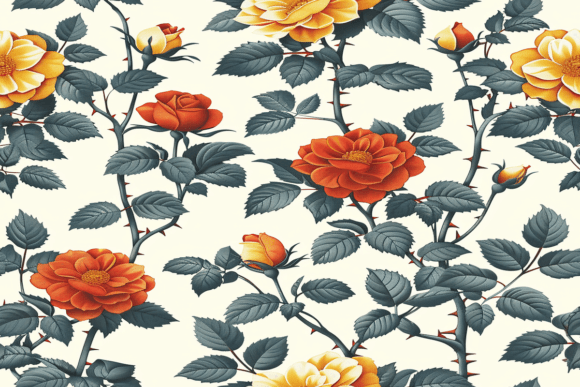
As mentioned earlier, the Vintage Flower Pattern you receive is a high-quality digital file (1200 × 800 pixels, Jpg format, 300 dpi). This resolution ensures it looks sharp in both print and digital formats. To implement it effectively:
- Download the file and store it in an organized digital library for easy access during future projects.
- Use graphic design tools like Adobe Photoshop, Canva, or Illustrator to edit and scale the pattern as needed.
- Optimize the image size for online use to ensure fast loading times and compatibility with various devices.
If you plan to use it for fabric printing or large-scale applications, verify that the pattern repeats seamlessly and maintains quality at different sizes. These considerations ensure that your use of the Vintage Flower Pattern remains professional and impactful.
Final Thoughts on Intentional Design
Design is not just about what looks good—it’s about what works best for your goals and audience. The Vintage Flower Pattern, when chosen and implemented with care, can become a powerful tool in your creative arsenal. It bridges the gap between nostalgia and modernity, offering a versatile option for those who value both aesthetics and function.
Whether you’re enhancing your planner stickers, updating your stationery, or redesigning your website, let the pattern serve a purpose. Consider how it can support your communication, reflect your brand values, and engage your audience. Done thoughtfully, it can leave a lasting impression and contribute to your long-term success.