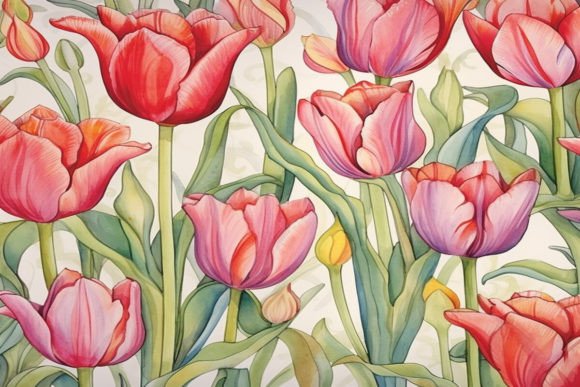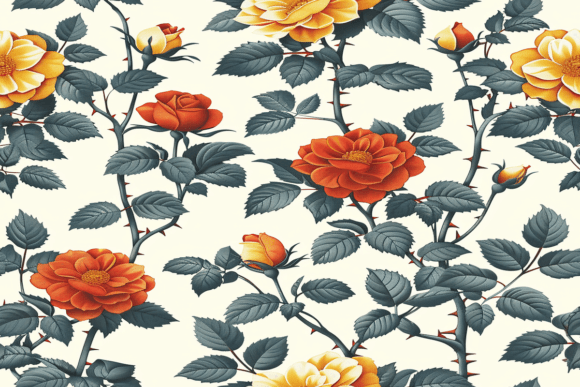
Vintage Floral Pattern: Timeless Elegance for Modern Creations
Vintage floral patterns have long been a staple in the world of design, offering a nostalgic and romantic aesthetic that appeals to a wide range of creative projects. These intricate designs, often inspired by historical botanical illustrations or classic wallpaper motifs, add a touch of sophistication and charm to anything they’re applied to. Whether you're a scrapbooking enthusiast, a web designer, an event planner, or simply someone who loves DIY crafts, understanding how to choose and use Vintage Floral Pattern effectively can elevate your work from ordinary to extraordinary.
What Is a Vintage Floral Pattern?
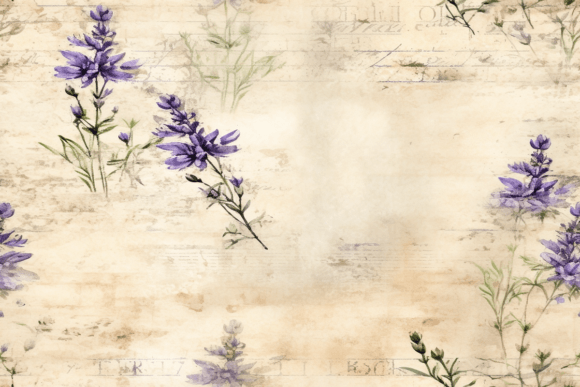
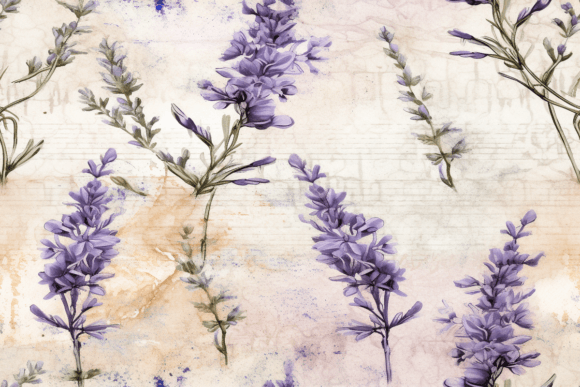
A Vintage Floral Pattern is a digital or physical design featuring stylized flowers, leaves, and vines reminiscent of earlier decades. Typically, these patterns are created using soft color palettes, detailed linework, and symmetrical arrangements that reflect the design sensibilities of the past. The most common format available today is a high-resolution PNG file (such as 1200 × 800 pixels, 300 dpi), which ensures clarity and versatility across various applications.
This type of pattern is especially popular among creators who want to infuse warmth and personality into their projects. It's not just about aesthetics—it’s about connecting with a sense of history and craftsmanship that modern minimalist trends sometimes overlook.
Common Mistakes When Choosing Vintage Floral Patterns
While Vintage Floral Pattern can enhance many projects, it's easy to make mistakes when selecting or applying them. Here are some pitfalls to avoid:
- Picking the wrong scale: Some vintage-inspired patterns are too small or too large for specific uses like business cards or fabric printing. A mismatched scale can result in visual clutter or loss of detail.
- Ignoring background contrast: Applying a dark floral pattern on a similarly shaded surface can cause the design to blend in rather than stand out. This is particularly important for invitations or letterhead where readability matters.
- Overusing the pattern: Vintage florals can quickly overwhelm a design if used without restraint. Too much pattern may distract from the main message or content, reducing the overall effectiveness of the piece.
- Not checking the resolution: Using a low-quality image in print materials can lead to pixelation and unprofessional results. Always confirm the file is 300 dpi before finalizing any project intended for print.
How These Mistakes Can Impact Your Work
Choosing the wrong scale or overusing a Vintage Floral Pattern might seem minor at first glance, but the consequences can be significant. For example, if you're designing a set of planner stickers and the pattern is too dense, the text or icons might become hard to read. In the case of home decor items like throw pillows or wall art, poor resolution could make the design appear blurry or unrefined—damaging the perceived quality of your product.
Additionally, if the pattern clashes with the colors or style of your project, it can create a jarring effect. Imagine using a bold Victorian-era floral on a sleek, modern website. The contrast might be intentional, but if not balanced well, it could confuse users and detract from the site’s purpose.
Practical Tips to Avoid Errors
To ensure your Vintage Floral Pattern works harmoniously with your project, follow these best practices:
- Match the scale to the medium: If you're working on something small like a label or button, look for patterns with smaller, more delicate elements. For larger surfaces such as canvas prints or fabric rolls, opt for bolder, repeatable motifs.
- Use layering techniques: Instead of covering an entire page or design with the pattern, consider using it as an accent. Layer it behind text, incorporate it into borders, or use it selectively in corners or headers.
- Test the pattern in context: Before committing to a full design, place the pattern on a sample layout. See how it interacts with other elements, fonts, and colors. This helps you spot issues early and adjust accordingly.
- Ensure compatibility with your workflow: Since this is a digital paper, check whether your software supports transparent PNG files. Also, verify that the pattern remains sharp when scaled up or down for different outputs.
Real-World Examples and Better Approaches
Let’s take a look at a few scenarios where Vintage Floral Pattern has been successfully applied—and what went right:
Example 1: Scrapbooking Layouts
A scrapbooker might use a Vintage Floral Pattern as a background for a memory layout. By keeping the pattern in a muted tone and placing it subtly behind photos and journaling, the design feels elegant yet readable. The pattern adds texture and interest without overpowering the personal story being told.
Better approach: Use pattern overlays with low opacity settings in digital scrapbooking tools like Adobe Photoshop or online platforms like Canva. This maintains the vintage feel while ensuring legibility.
Example 2: Web Design Elements
On a blog post header or landing page section, a Vintage Floral Pattern can serve as a decorative separator between blocks of text. When used sparingly and in a lighter hue, it enhances the design without distracting from the content.
Better approach: Apply the pattern to non-critical areas such as sidebars, dividers, or background textures. Pair it with simple typography and minimalistic layouts to balance the vintage vibe with modern usability.
Example 3: Business Card Designs
Entrepreneurs in industries like fashion, floral design, or artisanal goods often use Vintage Floral Pattern on their business cards to evoke a sense of tradition and authenticity. However, the key is to keep the design clean so contact information remains clear and accessible.
Better approach: Limit the pattern to one corner or edge of the card. Use white space strategically and pair it with a complementary font and color scheme that aligns with the brand identity.
What to Check Before Using a Vintage Floral Pattern
Before downloading or purchasing a Vintage Floral Pattern, there are several factors worth considering to avoid future headaches:
- Resolution and format: Ensure the file is in PNG format and offers sufficient resolution (ideally 300 dpi) for both digital and print use.
- License terms: Confirm whether the pattern is royalty-free or requires attribution. This is crucial if you plan to use it commercially or distribute it widely.
- Color palette: Look for patterns that match your existing color schemes or offer flexibility through transparency layers.
- Pattern repeats: If the design will be tiled, test how the edges connect. Seamless repeats are essential for consistent results in fabric printing or large-scale graphics.
- Software compatibility: Make sure the file works with your preferred design tools. Some older programs may struggle with high-resolution PNGs or complex layers.
Where to Use Vintage Floral Pattern Effectively
Vintage Floral Pattern isn't limited to a single use case. Its adaptability makes it suitable for many creative fields. Here are some top suggestions:
- Planner stickers: Add a touch of elegance to weekly spreads or goal trackers.
- Invitations and cardmaking: Ideal for weddings, birthdays, or thank-you cards seeking a timeless appeal.
- Web graphics and letterhead: Perfect for blogs, boutiques, or stationery that aim to convey warmth and creativity.
- Fabric printing: Great for making custom aprons, tote bags, or table runners with a retro flair.
- Home decor items: Use on wall art, coasters, or candle wraps to bring a vintage charm into interior spaces.
- Photo albums and scrapbook pages: Enhances the storytelling aspect with a cohesive and nostalgic theme.
Why Choose Vintage Floral Pattern Over Other Styles?
In a world filled with modern geometric shapes and flat design trends, Vintage Floral Pattern stands out by offering depth, emotion, and a sense of timelessness. It allows designers to tap into a rich visual heritage while still maintaining relevance in contemporary contexts.
Moreover, the pattern’s intricate details provide endless inspiration for customization. You can recolor it, overlay it with text, or combine it with other vintage elements to build a unique look tailored to your needs.
Final Thoughts on Making Smart Design Choices
Vintage Floral Pattern is more than just a decorative element—it's a tool that, when used correctly, can significantly enhance your creative output. Understanding its nuances, limitations, and best practices ensures you get the most value from every download. Whether you're a beginner exploring new design styles or a seasoned professional looking to diversify your portfolio, taking the time to evaluate and apply these patterns thoughtfully will yield better results and greater satisfaction.
Remember, the goal is not just to make your designs look beautiful, but also to communicate clearly and professionally. With the right Vintage Floral Pattern, you can achieve both.