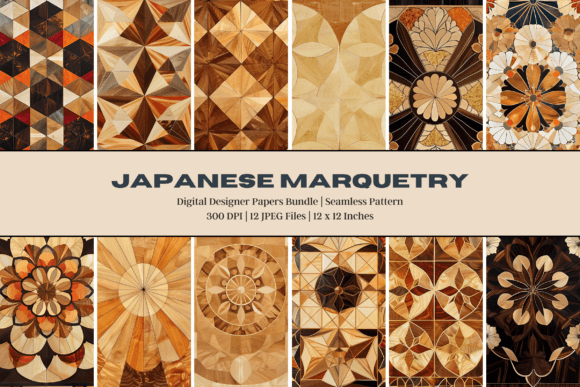
Japanese Marquetry Wood Pattern: A Timeless Design Element for Creative Projects
Japanese marquetry wood patterns are an exquisite form of art that combines precision, tradition, and natural beauty. Originating from centuries-old Japanese craftsmanship, these intricate designs feature layered wood pieces arranged to create stunning visual effects. Today, they have evolved beyond traditional furniture making into a versatile design resource used in digital scrapbooking, websites, blog layouts, invitations, packaging, and more. In this article, we’ll explore the origins, significance, and modern applications of Japanese marquetry wood patterns, especially when offered as high-resolution seamless JPG files — perfect for creative professionals and hobbyists alike.
What Is Japanese Marquetry?
Marquetry is the art of inlaying different materials, such as wood, ivory, or metal, to create decorative patterns on surfaces like furniture, boxes, or musical instruments. Japanese marquetry, also known as *mokuhou* (木彫), is a specific variation rooted in the aesthetics of Japanese culture. It emphasizes simplicity, balance, and harmony with nature, often using native woods like hinoki, cypress, and maple.
These wood patterns are not just decorative; they reflect the deep appreciation the Japanese have for their environment and heritage. The technique involves cutting thin slices of wood into geometric or floral shapes and arranging them to form a cohesive image. Each piece is carefully selected and placed to ensure the final design looks both elegant and authentic.
Traditional vs. Digital Japanese Marquetry
While traditional marquetry requires skilled hands and physical tools, digital Japanese marquetry wood patterns offer a convenient way to incorporate this classic style into modern projects. These digital versions replicate the look and feel of handcrafted marquetry through high-quality imaging, making it accessible to anyone working in graphic design, crafting, or web development.
When you download a set of 12 seamless patterns in JPG format, each at 300 DPI and sized 12 x 12 inches, you gain access to a library of beautifully detailed textures. These can be tiled without visible seams, allowing for endless creative possibilities across various mediums.
Why Use Japanese Marquetry Wood Patterns in Modern Projects?
Japanese marquetry wood patterns bring a unique blend of oriental elegance and timeless appeal to contemporary design work. Their intricate yet harmonious designs evoke a sense of calm and sophistication, making them ideal for a wide range of uses. Here’s why they’re so popular today:
- Natural Aesthetic: The organic look of marquetry complements modern minimalist and rustic styles perfectly.
- Cultural Depth: Incorporating these patterns adds an element of cultural richness and authenticity to your project.
- Versatility: From printables to web graphics, these patterns adapt well to both digital and physical formats.
- High Resolution: At 300 DPI, the details remain crisp and clear, ensuring professional-grade quality.
Applications in Scrapbooking and Stationery
Scrapbooking enthusiasts love using Japanese marquetry wood patterns to add texture and depth to their layouts. Whether it's for digital scrapbooking or handmade pages, these patterns provide a beautiful backdrop for photos, journaling, and embellishments. They can be used as background textures, borders, or even in layered designs to mimic real wood inlays.
In addition to scrapbooking, these patterns are perfect for handmade stationery, including cards, tags, and place cards. Their subtle grain and muted tones make them suitable for both formal events like weddings and casual celebrations such as birthdays or parties. When printed on high-quality paper, they elevate the perceived value of any handmade item.
Enhancing Websites and Blogs
Web designers and bloggers can use Japanese marquetry wood patterns to create visually appealing backgrounds or headers. The seamless nature of the pattern ensures it tiles smoothly without distortion, maintaining the clean lines and elegant look that define Japanese aesthetics.
For example, a lifestyle blog focused on mindfulness and nature could benefit from a header featuring one of these patterns. It subtly reinforces the theme while providing a fresh, artistic touch. Similarly, a wedding planner's website might use marquetry wood textures for invitations and planner stickers, giving clients a glimpse of traditional craftsmanship in a modern setting.
How These Patterns Fit Into Your Creative Workflow
If you're new to using digital textures, having 12 ready-to-use seamless patterns in a ZIP file simplifies the process significantly. Let’s break down how they can enhance your workflow:
- Download and Extract: Once purchased, you'll receive a ZIP file containing all 12 JPG patterns. Simply extract the folder and organize the images according to your needs.
- Select the Right Pattern: Choose a pattern based on its color tone, complexity, and suitability for your project. Light-toned woods work well for soft, romantic themes, while darker grains suit more sophisticated designs.
- Edit and Customize: Use photo editing software like Photoshop or Canva to adjust brightness, contrast, or layer styles. You can also combine multiple patterns to create custom designs.
- Apply Across Media: These patterns are compatible with both print and digital media. Just make sure to maintain the original resolution if printing, especially for items like business cards or book covers.
Ideas for Using These Patterns
Here are some practical ways to integrate Japanese marquetry wood patterns into your next project:
- Invitations and Tags: Print them on textured cardstock for a luxurious finish.
- Blog Headers and Website Backgrounds: Add them as subtle overlays to keep the focus on content while enhancing visual appeal.
- Jewelry Boxes and Packaging: Wrap gifts or decorate storage boxes with these elegant designs.
- Hardcover Books and Journals: Use them for cover designs to give your publications a handcrafted, artisanal feel.
- Planner Stickers and DIY Projects: Create reusable stickers or apply them in decoupage techniques for home decor or furniture.
Understanding Seamless Patterns and Why They Matter
A key feature of these Japanese marquetry wood patterns is their seamless construction. This means that the edges of the image align perfectly, allowing the pattern to repeat without noticeable breaks or distortions. For designers and crafters, this eliminates the need for tedious adjustments and ensures consistency across large surfaces.
Seamless patterns are especially useful for:
- Backgrounds: Whether for blogs, brochures, or greeting cards, a repeating pattern adds visual interest without overwhelming the content.
- Wrapping Paper: With no visible seams, you can easily scale the design to fit any size gift box or envelope.
- Printed Items: High-resolution JPGs mean sharp prints for items like business cards, posters, or signage.
Common Misconceptions About Wood Patterns
One common misunderstanding is that wood patterns are only suitable for rustic or vintage-style projects. While they do complement those themes beautifully, their versatility allows them to work in modern minimalism, luxury branding, and even tech-inspired designs when used thoughtfully.
Another misconception is that seamless patterns lack character. On the contrary, a well-designed marquetry pattern retains the natural uniqueness of wood grain while being structured enough to repeat seamlessly. This makes them both functional and expressive.
The Educational Value of Japanese Marquetry in Crafting
Using these patterns isn’t just about aesthetics — it’s also an educational experience. By incorporating Japanese marquetry into your projects, you're engaging with a centuries-old tradition that values patience, precision, and respect for natural materials.
For students and educators, these patterns can serve as a learning tool in subjects like:
- Art History: Introduce learners to Japanese woodworking traditions and their influence on global design.
- Design Principles: Teach how to use texture, repetition, and alignment effectively in layout creation.
- DIY Crafts: Encourage creativity and experimentation with materials and digital tools.
Business Applications and Branding
Small businesses and entrepreneurs can leverage these patterns to build brand identity. Think of them as a signature element in your marketing materials. For instance:
- Business Cards: Stand out with a unique wood-patterned card that feels both premium and personal.
- Packaging: Use the patterns on boxes or bags to convey eco-friendliness and craftsmanship.
- Website Design: Apply them as subtle textures behind text or icons to enhance user experience without cluttering the interface.
By choosing Japanese marquetry wood patterns, you’re not just adding visual flair — you’re also communicating values like sustainability, tradition, and attention to detail.
Getting Started: Tips for Beginners
If you're new to using digital patterns, here are a few tips to help you start confidently:
- Choose the Right Software: Programs like Adobe Photoshop, Illustrator, or free tools like Canva allow you to edit and apply patterns easily.
- Layer Wisely: Place the pattern beneath your main content and adjust opacity to let it shine through without overpowering it.
- Experiment with Colors: Try overlaying the pattern with a soft gradient or adjusting the hue to match your project's color scheme.
- Test Prints: Before going full-scale, print a sample to check how the pattern looks in physical form.
With practice, you’ll discover how to blend these textures seamlessly into your work, whether you're creating place cards for a party or designing a blog layout that stands out.
Conclusion: Embrace Tradition in Your Modern Creations
Japanese marquetry wood patterns bridge the gap between ancient artistry and modern design. Their ability to add warmth, texture, and meaning to a variety of projects makes them a valuable asset for anyone passionate about creativity. With 12 high-resolution seamless JPGs available in a single ZIP file, you're equipped to explore endless possibilities — from scrapbooking layouts to website headers, business cards to printed journals.
Whether you're a seasoned designer or a beginner eager to learn, these patterns offer both inspiration and functionality. They invite you to think beyond the surface and embrace the beauty of layered design, rooted in cultural heritage and refined for today’s creative world.
Ready to bring the essence of Japan into your next project? Download your set of Japanese Marquetry Wood Patterns today and unlock a world of elegant, versatile design elements tailored for your needs.