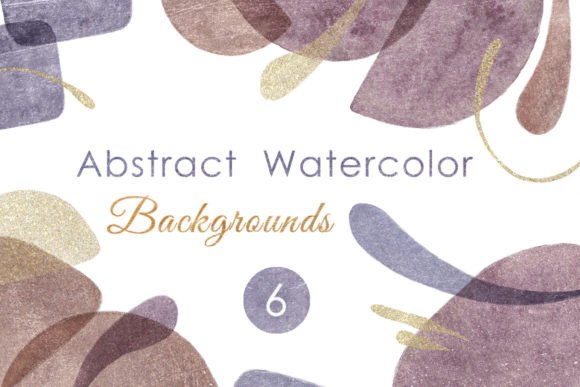
Enhancing Design Projects with Abstract Watercolor Backgrounds
Abstract watercolor backgrounds have become a staple in the design world, offering a soft and artistic foundation that complements a wide range of visual projects. These digital assets are especially valuable for professionals and creatives who seek to add a touch of elegance and warmth to their work without overwhelming it with detail. When you're working on postcards, business cards, invitations, or stationery, choosing the right background can elevate your design from ordinary to extraordinary.
The Appeal of Delicate Shades in Digital Art
One of the defining characteristics of abstract watercolor backgrounds is their use of delicate shades. Unlike bold, high-contrast designs, these subtle hues evoke a sense of calm and sophistication. The gentle blending of colors mimics traditional watercolor techniques, making them feel hand-painted while retaining the precision and scalability of digital formats. This unique balance makes them ideal for a variety of applications where aesthetics play a key role in communication and branding.
When used in scrapbooking, for example, these backgrounds can simulate the organic flow of real watercolors, adding depth and character to personal stories and memories. For educators creating presentation materials or classroom resources, the soft tones help maintain focus on textual content while still providing an engaging visual backdrop.
Technical Specifications for Quality Assurance
Designers often prioritize resolution when selecting background images, as clarity is essential for both print and digital media. A set of abstract watercolor backgrounds in JPEG format, each measuring 3000 x 2400 pixels at 300 dpi, ensures that every detail remains crisp and vibrant, regardless of the output size. These specifications make the files suitable for high-quality printing, such as in brochures or posters, as well as for web-based use where sharpness and color accuracy matter.
Receiving six JPG backgrounds allows for flexibility in creative workflows. Whether you need one for a seasonal marketing campaign or different options for various client projects, having multiple choices helps you tailor your visuals more effectively. Each image in the set offers a distinct yet harmonious look, enabling designers to experiment with different moods and themes.
Practical Applications Across Industries
Business owners frequently turn to abstract watercolor backgrounds when designing branded collateral. These elements can be layered subtly behind logos or text to create a cohesive and professional appearance. In contrast to stark white or solid-colored backgrounds, the gentle textures and gradients of watercolor provide a more inviting and humanized aesthetic, which is particularly effective in customer-facing materials like invitations or product packaging.
Consumers also benefit from these versatile assets when personalizing items such as thank-you cards or wedding announcements. The delicate nature of the watercolor style adds a personal and intimate feel, making it perfect for handwritten notes or bespoke designs. Hobbyists engaged in DIY crafts appreciate how easy it is to integrate these backgrounds into digital templates, allowing them to produce custom prints quickly and affordably.
For researchers and educators, abstract watercolor backgrounds serve as a non-distracting yet visually stimulating canvas for infographics, reports, or educational tools. They offer enough texture to break up monotony without interfering with readability, striking a balance between form and function.
Workflow Integration and Creative Possibilities
Incorporating abstract watercolor backgrounds into your workflow is straightforward. Most graphic design software, including Adobe Photoshop, Illustrator, and Canva, supports high-resolution JPEG files, making it simple to adjust opacity, scale, or apply filters as needed. Their versatility extends beyond just static designs; they can also be used as overlays in video editing or as part of animated presentations to maintain a consistent theme across platforms.
Creative professionals might consider using these backgrounds in mood boards or website mockups to explore new brand identities. The soft, flowing patterns can influence the overall tone of a project, guiding decisions about typography, layout, and color schemes. By experimenting with different watercolor styles, you can discover how they interact with other design elements and refine your approach accordingly.
Advantages of Using Abstract Watercolor Backgrounds
- Time-Saving: Instead of commissioning original artwork or painting manually, pre-made abstract watercolor backgrounds streamline the design process.
- Consistency: Having a set of six backgrounds ensures a uniform look across multiple pieces, especially useful for branding or themed collections.
- Adaptability: The soft, blended nature of these images allows them to be easily adjusted to fit different layouts and color palettes.
- Print and Web Compatibility: With 300 dpi resolution, they perform equally well in printed materials and digital displays.
Beyond convenience, abstract watercolor backgrounds bring a sense of authenticity and artistry to modern design. In a digital-first world, where attention spans are short and visual noise is high, these gentle, hand-like textures can help your message stand out in a more meaningful way. They don’t demand attention but instead support it, enhancing user experience through subtle beauty.
Use Cases That Highlight Versatility
Consider how a small business owner might utilize these backgrounds. When launching a new line of greeting cards, incorporating an abstract watercolor pattern in delicate pastel shades can differentiate their product from mass-produced alternatives. Similarly, a freelance designer working on a client’s portfolio may layer a watercolor background beneath photographs to add warmth and creativity without overshadowing the subject.
Another compelling use case involves social media content creation. Abstract watercolor backgrounds can serve as the base for Instagram posts, Pinterest boards, or even YouTube thumbnails. The organic feel of the images aligns well with lifestyle and wellness brands, fostering a connection with audiences that values natural, handmade aesthetics.
Educators preparing course materials may find these backgrounds useful for reducing eye strain during long study sessions. Their soft gradients and minimalistic patterns create a soothing environment, helping students stay focused and engaged. This practical application demonstrates how design choices can impact cognitive performance and emotional response.
Choosing the Right Style for Your Project
While all abstract watercolor backgrounds share certain qualities—like fluidity and subtlety—each piece within a set can vary in composition and color harmony. It's important to evaluate your project's goals before selecting a specific background. For instance, a corporate event invitation might call for muted blues and greens to convey professionalism and trust, whereas a children's birthday card could benefit from playful pinks and yellows.
Understanding the emotional weight of different colors can guide your choice. Blues and purples often suggest calm and creativity, making them suitable for creative studios or meditation apps. Reds and oranges can inject energy and passion into designs, fitting well for promotional campaigns or community events. Greens and browns typically evoke growth and stability, ideal for eco-friendly brands or educational institutions.
Some sets include variations with more defined shapes or subtle abstract forms, while others feature smooth, cloud-like transitions. Both types offer value depending on the context. A minimalist logo design might pair best with a background that has no visible shapes, allowing the focus to remain solely on the branding element. Conversely, a poster for an art exhibition could highlight a watercolor background with intricate brush strokes, reinforcing the theme of creativity and craftsmanship.
Considerations for Optimal Use
To maximize the effectiveness of abstract watercolor backgrounds, consider the following best practices:
- Balance Contrast: Ensure that the text or imagery placed over the background maintains sufficient legibility by adjusting brightness or font color if necessary.
- Respect Cultural Context: Be mindful of how colors and patterns are perceived in different cultures, especially when designing for international audiences.
- Test Print Outputs: Before finalizing a design for print, review samples to confirm that the watercolor effect translates well onto paper or other physical media.
- Maintain File Organization: Keep track of which background is used for what purpose to avoid confusion in large-scale projects.
Additionally, always verify the licensing terms associated with the backgrounds. If you plan to resell or distribute the final product, ensure that the background assets allow for commercial use. This step is crucial for maintaining legal compliance and protecting your intellectual property efforts.
Staying Ahead of Design Trends
Design trends evolve rapidly, and staying current is essential for professionals and businesses alike. Abstract watercolor backgrounds continue to gain popularity due to their ability to blend tradition with modernity. As consumers increasingly favor authentic and artisanal experiences, these backgrounds help digital creators meet that expectation without compromising efficiency.
Moreover, the rise of remote work and virtual communication has made it more important than ever to craft visually appealing digital content. Whether it's a newsletter, a webinar slide deck, or an online brochure, abstract watercolor backgrounds contribute to a polished and professional look. Their timeless quality means they won't quickly go out of style, offering longevity in your design toolkit.
As sustainability becomes a priority in many industries, the option to use digital watercolor backgrounds rather than purchasing physical materials aligns with eco-conscious values. This shift not only reduces waste but also supports a more agile and cost-effective design process.
Encouraging Creativity and Experimentation
Design is as much about exploration as it is about execution. Abstract watercolor backgrounds open the door to experimentation with layering, transparency, and blending modes. Try combining two different watercolor backgrounds to create a more dynamic composition or use them as a starting point for your own painted elements.
They also encourage collaboration among team members. Graphic designers, copywriters, and marketers can work together to determine which background best supports the intended message. This synergy leads to more thoughtful and impactful outcomes, whether the goal is to promote a product, celebrate an occasion, or educate an audience.
For hobbyists, these backgrounds can spark inspiration for new projects. Scrapbooking enthusiasts might incorporate them into photo albums, while bloggers could use them to enhance headers or section dividers on their websites. The possibilities are nearly endless when you embrace the fluid nature of watercolor in your creative pursuits.
Final Thoughts on Elevating Visual Communication
Abstract watercolor backgrounds represent more than just decorative elements—they are strategic tools for visual storytelling. Their ability to blend seamlessly with diverse content types and their adaptability across mediums make them a valuable resource for anyone involved in design. From the smallest personal project to large-scale commercial ventures, these backgrounds contribute to a more refined and intentional visual language.
By understanding the strengths and limitations of abstract watercolor styles, you can make informed decisions that enhance your creative output. Whether you’re looking to add a touch of serenity to a business card or bring life to a classroom poster, there's a watercolor background suited to your needs. As the design landscape continues to evolve, these timeless elements remain a reliable and expressive choice for those seeking to connect through visuals.