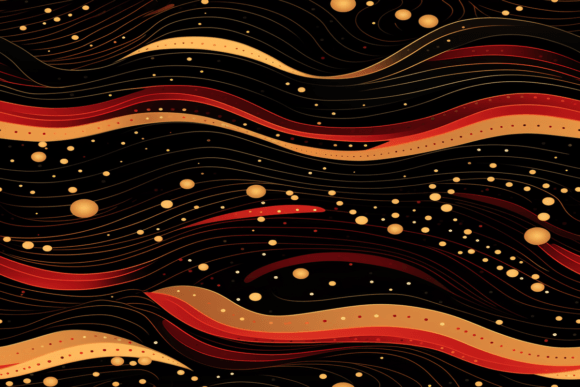
Enhance Your Designs with an Abstract Background and Texture
In the fast-paced world of graphic design, standing out requires more than just a bold color palette or clever typography. It demands thoughtful layering of visual elements that elevate the overall aesthetic and communicate your message effectively. An abstract background and texture can be the subtle yet powerful tool you need to add depth, character, and modern flair to your creative projects. Whether you're designing for digital platforms or print media, these assets provide a unique foundation that supports branding, enhances user experience, and adds a touch of sophistication.
Understanding Abstract Backgrounds and Textures
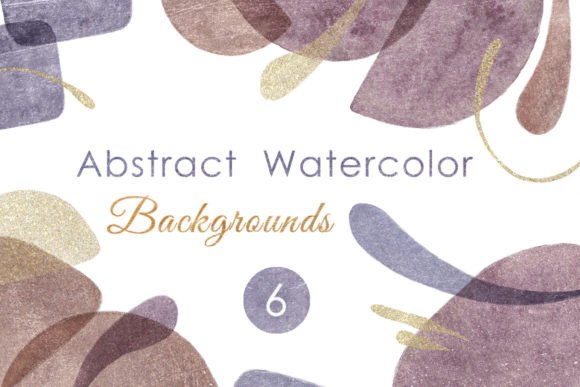
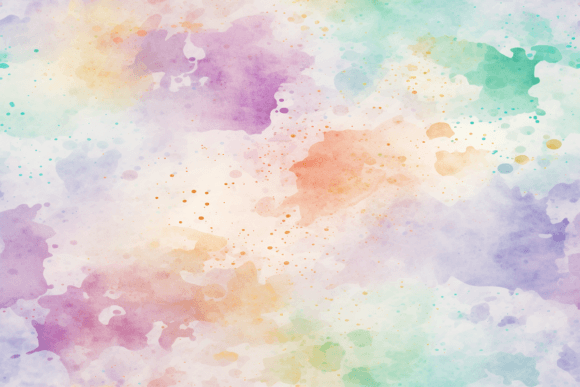
An abstract background typically refers to a non-representational visual element used as a base layer in design compositions. These backgrounds often feature geometric patterns, fluid shapes, or organic forms that don’t mimic real-world objects but evoke emotion and style. When combined with an abstract texture, they create a tactile and visual dimension that makes content more engaging and professional-looking.
Textures introduce contrast and complexity, allowing you to guide the viewer's eye and emphasize key design components. Together, abstract backgrounds and textures offer a versatile solution for designers who want to maintain originality while ensuring their work remains visually cohesive and impactful.
Applications Across Design Disciplines
The utility of an abstract background and texture set extends across various design fields. Here are some practical applications where this combination shines:
- Branding and logo design: Use abstract textures subtly behind logos to add depth without overshadowing the brand mark.
- Marketing materials: Incorporate abstract designs into brochures, flyers, or posters to differentiate your brand from competitors.
- Web and UI design: Create engaging landing pages or app interfaces by using abstract backgrounds as a backdrop for buttons, banners, or hero sections.
- Editorial layouts: Enhance magazine spreads or blog posts with textured overlays to give them a refined and artistic edge.
- Packaging design: Add an unexpected twist to product boxes or labels with abstract visuals that reflect creativity and innovation.
- Presentations: Replace plain slides with abstract textures to maintain a modern look while keeping information clear and readable.
Design Tips for Effective Use
When working with an Abstract Background, Abstract Texture set, it’s important to consider how each element contributes to the overall composition. Here are a few best practices to follow:
- Maintain consistency: Choose textures and backgrounds that align with your brand identity and existing visual systems.
- Balance readability: Ensure that text and other focal points remain legible against the background—avoid overly busy textures when clarity is key.
- Consider scalability: Since you’re likely to use these assets across different platforms, confirm they retain quality at various sizes.
- Experiment with layers: Apply textures as overlays or blend modes in design software like Photoshop or Illustrator to achieve nuanced effects.
A high-resolution PNG file (like the 1200 × 800 pixels, 300 dpi format described) ensures crisp printing and sharp digital displays, making it ideal for both online and offline use. This level of detail is especially beneficial for planners, invitations, or business cards where every visual choice matters.
Integrating with Typography and Color
Typography plays a crucial role in complementing abstract visuals. Pair clean, sans-serif fonts with intricate textures to create a harmonious balance between form and function. Similarly, selecting a color palette that contrasts well with the abstract background will ensure your message remains prominent and accessible.
Color theory becomes even more relevant when using abstract textures. For example, warm tones on a cool abstract background can create a sense of energy and vibrancy, while muted colors might suggest elegance and minimalism. Understanding how these elements interact helps you craft a more intentional and effective design.
Real-World Creative Projects
For scrapbooking or planner stickers, an Abstract Background, Abstract Texture set can serve as a foundational element that ties multiple pages together. In home decor items or fabric printing, these assets can bring a contemporary feel to custom-made products.
From cardmaking to photo albums, the possibilities are endless. The versatility of this resource allows it to fit seamlessly into a variety of formats—from editorial spreads to social media graphics—without losing its impact. As part of your design workflow, such assets streamline the process of adding visual interest without requiring complex illustration or photography skills.
Whether you're crafting a new brand identity or updating old marketing collateral, integrating abstract backgrounds and textures offers a fresh perspective. They help establish a strong visual hierarchy, support storytelling through aesthetics, and ultimately make your creative output more memorable and professional.
By thoughtfully choosing and applying an Abstract Background, Abstract Texture set, you not only enhance the visual appeal of your work but also strengthen the communication of your message. These assets empower you to stay current with design trends while maintaining a unique and polished look across all your creative endeavors.