Blood Cells Under a Microscope: A Strategic Tool for Creative Medical and Biological Designs
When it comes to visual content in the medical and biological fields, precision meets artistry. Blood cells under a microscope are not only vital indicators of health but also serve as powerful design elements when transformed into high-quality digital patterns. These intricate, repeating visuals offer a unique blend of scientific accuracy and aesthetic appeal that can elevate branding, marketing materials, and educational resources across various industries.
What Are Blood Cells Under a Microscope?
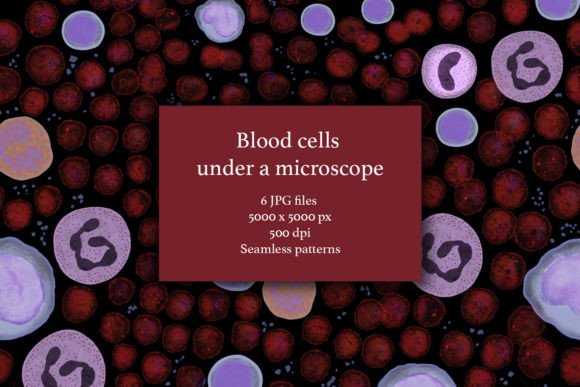
Blood cells under a microscope refer to the microscopic view of red blood cells (erythrocytes), white blood cells (leukocytes), and platelets (thrombocytes). When magnified, these cells reveal fascinating structures—such as the biconcave shape of red blood cells or the granulated appearance of certain white blood cells—that form visually compelling patterns.
In creative contexts, these patterns are often stylized into seamless designs suitable for digital use. The result is a set of high-resolution JPG files, typically sized at 5000 x 5000 pixels with a resolution of 500 dpi, ideal for both online and print applications. Such detailed imagery allows designers to incorporate a realistic yet artistic representation of biology into their projects.
Why This Matters for Designers and Marketers
The strategic value of using Blood Cells Under a Microscope lies in its ability to communicate professionalism while sparking curiosity. In niches like healthcare, biotechnology, and education, visuals must be both informative and engaging. By leveraging these patterns, you can align your brand's identity with the core themes of life sciences, making your content more relatable and trustworthy to your audience.
Strategic Use in Branding and Marketing
Whether you're promoting a new line of medical apparel or designing an infographic for a blog post, the right imagery can make all the difference. Using Blood Cells Under a Microscope as a background pattern on websites or business cards subtly reinforces your connection to the medical field without being overtly clinical. It adds depth and relevance to your design language, helping your audience quickly associate your work with expertise and innovation.
- Medical Apparel: Print these patterns on shirts, caps, and other wearable merchandise to create eye-catching designs for hospital staff, lab workers, or even promotional items for science events.
- Printed Merchandise: From mugs to notebooks, these patterns can be used as gifts for doctors, biologists, or educators, combining utility with thematic appeal.
- Marketing Materials: Apply them to postcards, flyers, and brochures for medical startups, research institutions, or health awareness campaigns.
Creating a Strong Visual Identity
A consistent visual identity is crucial for any brand aiming to stand out in competitive markets. Incorporating Blood Cells Under a Microscope into your design toolkit can help establish a cohesive theme across multiple platforms. For instance, a medical blog might use the same pattern in headers, sidebars, and featured images to reinforce its niche and build familiarity with readers.
Consider how color choices affect perception. Red blood cell patterns in warm tones may evoke energy and vitality, while cooler hues could suggest calm and precision. These subtle cues influence user experience and should be aligned with your brand messaging and target audience.
Planning Thoughtful Integrations
Before diving into design, it’s essential to plan how Blood Cells Under a Microscope will support your goals. Will it be used for product packaging? Website backgrounds? Educational posters? Each application requires a different approach.
- Define the purpose: Determine whether the pattern supports branding, storytelling, or data visualization.
- Match the tone: Ensure the pattern complements the overall message of the project—educational, professional, or inspirational.
- Test visibility: If the pattern is layered over text or important graphics, check legibility and contrast to avoid overwhelming the viewer.
For example, if you're launching a line of medical-themed clothing, consider placing the pattern in a way that highlights key areas like the chest or sleeves. Alternatively, for a website header, scale it down to add texture without distracting from navigation or calls to action.
When to Rely on Blood Cell Patterns
Use Blood Cells Under a Microscope when:
- You want to emphasize the scientific or health-related nature of your product or service.
- Your audience includes professionals or enthusiasts in biology, medicine, or related disciplines.
- You’re looking to differentiate your brand through original, high-quality visuals.
However, avoid using these patterns where they might clash with clarity—such as in dense reports or presentations where information needs to be easily digestible. Always prioritize usability and readability over aesthetics alone.
Supporting Long-Term Creativity and Productivity
High-quality seamless patterns like Blood Cells Under a Microscope are invaluable for long-term creative planning. They eliminate the need to source or generate complex biological illustrations repeatedly, saving time and effort for designers and marketers alike.
By investing in such assets, you empower yourself with ready-to-use visuals that can be adapted across formats. Whether you're working on a tight deadline or managing a recurring campaign, having access to professional-grade medical patterns ensures consistency and quality without sacrificing speed.
Realistic Use Cases and Examples
Here are some practical ways to apply Blood Cells Under a Microscope intentionally:
- Websites: As background textures for landing pages focused on health services, diagnostics, or patient education.
- Social Media: To create themed posts for World Health Day, STEM awareness, or physician appreciation week.
- Business Cards: Subtle integration into card designs for biology teachers, med techs, or lab technicians.
- Gift Items: Custom mugs or t-shirts featuring these patterns can be given to clients or team members in the healthcare sector.
One effective strategy is to combine the pattern with minimal typography. For instance, a clean logo or slogan placed over a well-integrated blood cell design can enhance recognition and recall without overwhelming the viewer.
Decision-Making Guidance for Effective Use
To maximize the impact of Blood Cells Under a Microscope, follow these thoughtful guidelines:
- Align with brand values: Make sure the pattern reflects the ethos of your organization—whether it’s cutting-edge technology or community health.
- Respect context: Avoid using the pattern inappropriately, such as in celebratory or unrelated themes where it might confuse the audience.
- Balance creativity and clarity: Let the pattern enhance the design, not dominate it. Use it as a base layer or accent rather than the focal point.
Freelancers and small businesses, in particular, benefit from this kind of asset because it allows them to deliver premium-looking results without requiring advanced illustration skills. The key is knowing when and how to integrate the pattern into your workflow effectively.
Risks of Random Use
While Blood Cells Under a Microscope are versatile, using them randomly or without clear intent can lead to mixed messages or poor user experiences. For example, applying a busy pattern to a mobile app interface could hinder usability and frustrate users who need quick access to information.
Additionally, failing to consider copyright or licensing can pose legal risks. That’s why it’s wise to use professionally created and royalty-free patterns like those available in curated collections. Ensuring proper attribution and usage rights protects your brand and maintains trust with your audience.
Encouraging Community and Sharing Creativity
One of the most exciting aspects of using Blood Cells Under a Microscope is the opportunity to connect with others in the creative space. Many designers and entrepreneurs use these patterns as a foundation for innovative projects. Sharing your creations—whether it's a custom medical shirt or a unique mug design—can inspire peers and foster collaboration.
If you’ve designed something using this resource, consider sharing it in the comments section of the product page. Not only does this provide social proof and encourage engagement, but it also builds a sense of community around shared interests in science and design.
Long-Term Value and Reusability
Patterns are among the most reusable assets in a designer’s toolkit. With six high-resolution JPG files included in this collection, you have the flexibility to repurpose the designs across multiple channels. Whether you’re creating print collateral today or planning a future rebrand, these patterns can evolve with your needs.
Storing them in a centralized media library ensures easy access for your team and streamlines workflows. Over time, you’ll find new and unexpected uses for the patterns—perhaps even in packaging for supplements, stickers for lab equipment, or as part of interactive web banners.
Final Thoughts on Intentional Design Choices
Design decisions carry weight. Choosing to incorporate Blood Cells Under a Microscope into your work isn’t just about aesthetics—it’s about crafting a narrative that resonates with your audience. Whether you're building a brand, supporting a cause, or educating a community, the right visuals can amplify your message and deepen engagement.
Approach this resource with intention. Understand the context in which it will be used, ensure it aligns with your communication goals, and always test it against real-world applications. When done thoughtfully, Blood Cells Under a Microscope can become a cornerstone of your visual strategy, offering both beauty and meaning in equal measure.